Can changing your snacking habits help protect forests?
"I am only one, but I am one. I cannot do everything, but I can do something. And I will not let what I cannot do interfere with what I can do" - Edward Everett Hale
The quote above has been on my mind a lot lately, especially through the process of creating this project! I often feel helpless when faced with situations like the palm oil crisis. The lack of visibility around the issue, the distance between me and the people/ forests being harmed, and my lack of authority on ANY front led me to assume there's not much I can do. I've spent roughly four years being internally distraught about the dilemma Indonesia is facing in regards to palm oil; other than bringing the topic up to friends and family, I didn't think there was much else to do (and, really, it's not easy to tell someone that their latte or pack of chips likely cost an orangutan it's home). GOOD GRIEF was I wrong!
So, what is palm oil?
It's vegetable oil! It's in products ranging from soaps to snacks, and can be used as biofuel. Crude palm oil is produced by squeezing the orange fruit of the tree, and palm kernel oil comes from the seed like structure in the center. Indonesia and Malaysia produce eighty-five percent of the world's palm oil supply (2020). Palm oil is cheap, high yield, colorless, and tasteless- what's not to love? Let me get into that.
Why is it causing problems?
The regions being used for palm oil are home to many groups of Indigenous people, as well as unique species found nowhere else on earth. Carbon rich peat soils and lush forests are being burned to make room for palm oil plantations, and the release of common greenhouse gases is contributing to climate change. The demand for palm oil has drastically increased with the rise of processed foods. Many of the tasty, prepackaged snacks we've grown to love are being manufactured at the expense of local communities, biodiverse regions, and the global climate.


Outreach Project
I created a series of animated stickers to help raise awareness around this crisis. They are available on Giphy's website now, and should be available on Instagram and Snapchat soon! Instagram stickers are one of the most widely used mediums on the site. Artists create stickers to represent a wide range of issues, but I saw very few relating to palm oil. The stickers are also tagged with common search items such as "sustainability" and "palm tree" so they'll pop up even if the user isn't intentionally searching for palm oil related gifs. To launch the gifs, I put a few posts on my story to give some background for the issue, explain my goals, and explain how to help.


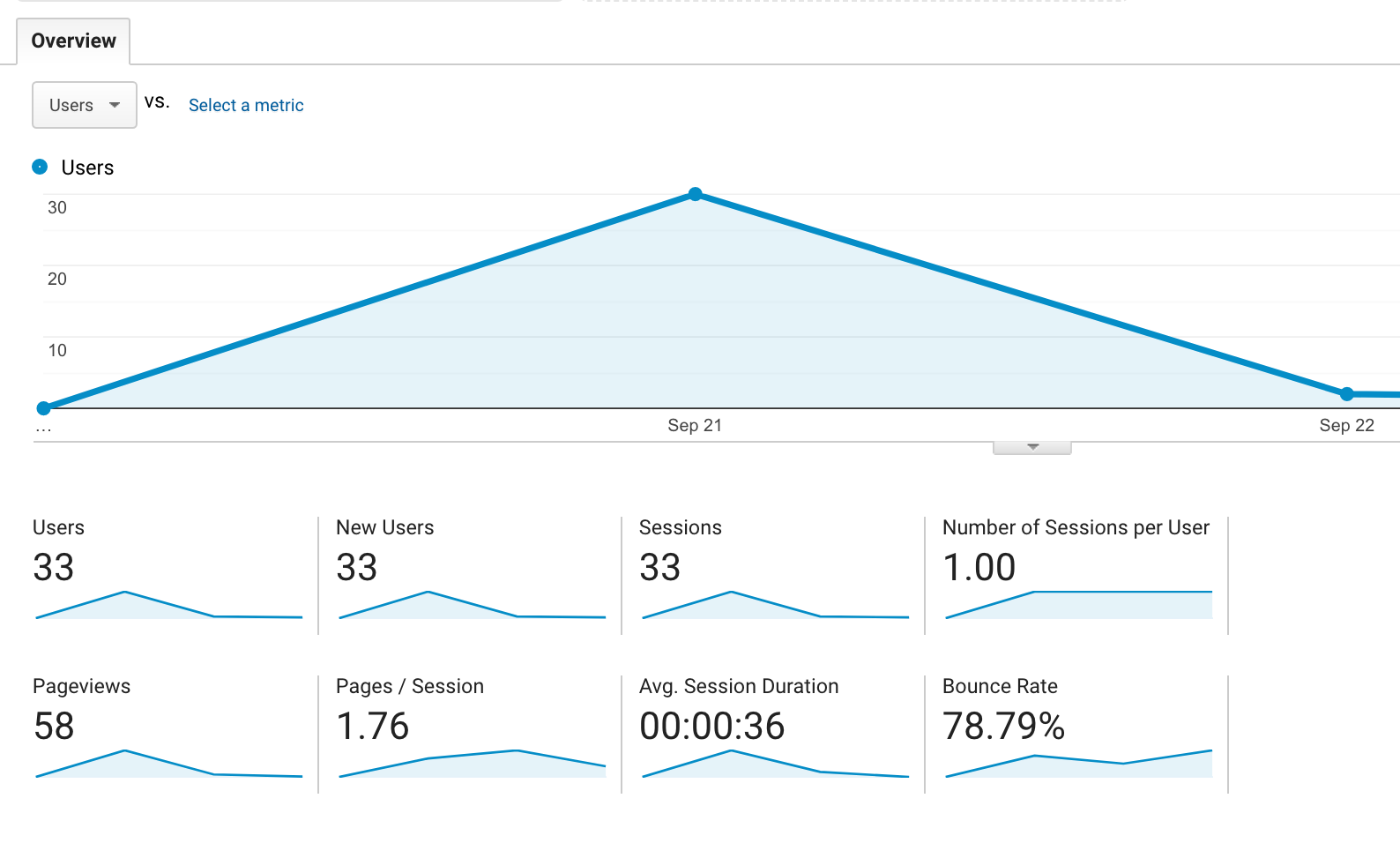
Over 200 people viewed the stories, 55 people viewed my Giphy page, 12 users commented or reacted, and 6 users made their own post using my gifs. I think that this would have been more successful if the stickers were available directly from Instagram at the time of launch. Solutions to this ultimately fall on corporations and sustainability certifications. Their responsibility to produce products that fit their label shouldn't transfer to the consumer. However, consumers can demand responsibly sourced palm oil and can "vote with their dollar" by buying products made with responsibly sourced oils. This issue is far bigger than any one of us can handle alone. You may be only one, but you are ONE who can do something and make a difference.

References
8 things to know about palm oil. (2020, January 17). Retrieved September 23, 2020, from https://www.wwf.org.uk/updates/8-things-know-about-palm-oil
Edward Everett Hale Quotes. BrainyQuote.com. Retrieved September 22, 2020, from BrainyQuote.com Web site: https://www.brainyquote.com/quotes/edward_everett_hale_393297


Comments
Post a Comment